


Curious, critical and a little stubborn.
For the past two years, IRRATIONAL TECHNOLOGY has operated as a public-facing research initiative, exploring the hidden logics of the digital world through a popular TikTok channel (9,600+ followers, 106K likes) and in-depth essays on Substack.
This work has helped thousands understand the systems that shape their lives. Now, I am bringing this critical lens and research methodology to communications, helping organisations navigate the algorithmic age with the deep, systems-level insights I'm known for.
Online Political Education is Collapsing
You're Not Addicted You're Devout
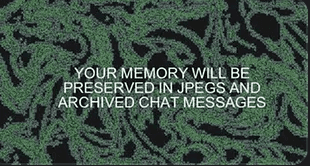
The Profile is a Failed Experiment
philosophy
philosophy
Humans are messy, society is messy. Big Tech takes its power from treating us like programmable inputs — but we are not. Taking back power for ourselves is about working with our irrationality, not against it
Design is not the author of order in a chaotic world; it is a process of navigating, noticing, and caring within persistent disorder. The real work is iterative, unresolved, and saturated by politics that refuse to stay in the background.
RRATIONAL TECHNOLOGY stands for design that accepts the ambiguity inherent in building proper collective infrastructure. Challenging this is an ongoing practice.
Key Methods:
Service Design
Participatory Design
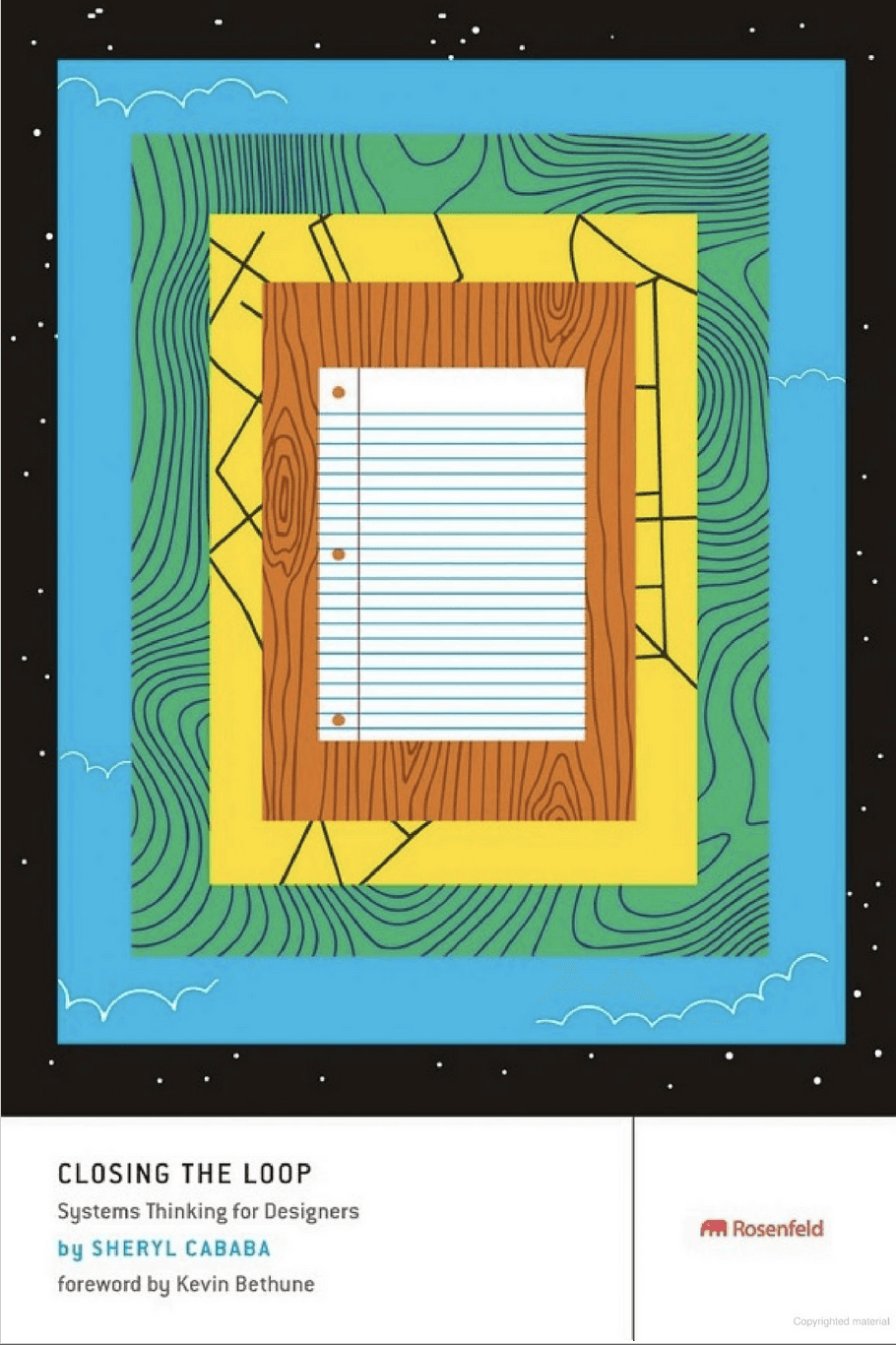
Systems Thinking
Design Thinking
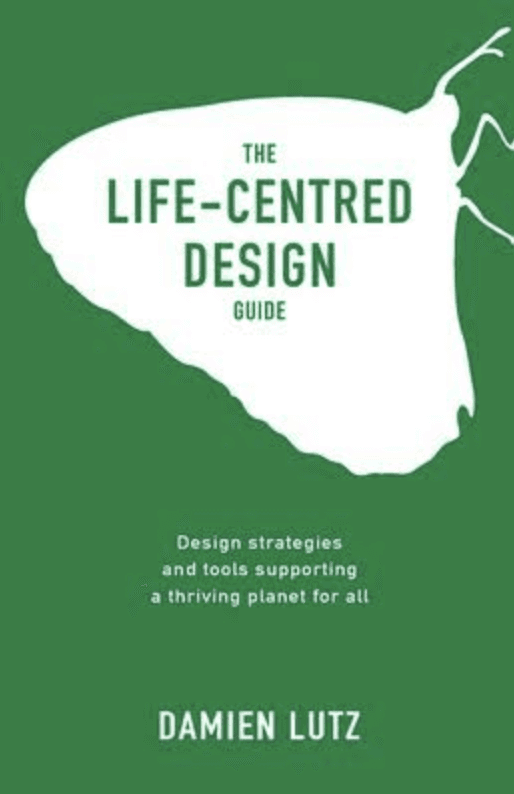
Life-Centered Design
Ground the work in context
Design is not creation of some mythical order, and doing so often puts marginalised communities at real risk.
Listing all the assumptions you and others have made (no matter how obvious they may seem. Challenging them
Understanding that the communities you work with should be allowed to raise and discuss difficult and morally ambiguous issues at every stage of the process.
Focus initially on how things are, not how they should be
Ensure your design process and artefacts nurture the multiplicity of the world rather than flatten it.
Reject solutionism
The contemporary design canon often romanticises "solutionism"—the idea that every problem has a neatly designable fix. This mindset devalues continuity, tradition, and long-developed communal practices, often replacing context-rich solutions with flashy interventions optimised for short-term attention.
Build project timelines that anticipate multiple revisitations of the problem space, rather than a single "solution moment."
Include deliberate knowledge gaps and provocative prompts in documentation, so the work invites continuation.
Spend time after the formal end of a project to re-engage participants and capture what emerges in the gaps between interventions.
Develop metrics for success that value resilience rather than mere novelty or press coverage.
philosophy
Humans are messy, society is messy. Big Tech takes its power from treating us like programmable inputs — but we are not. Taking back power for ourselves is about working with our irrationality, not against it
Design is not the author of order in a chaotic world; it is a process of navigating, noticing, and caring within persistent disorder. The real work is iterative, unresolved, and saturated by politics that refuse to stay in the background.
RRATIONAL TECHNOLOGY stands for design that accepts the ambiguity inherent in building proper collective infrastructure. Challenging this is an ongoing practice.
Key Methods:
Service Design
Participatory Design
Systems Thinking
Design Thinking
Life-Centered Design
Ground the work in context
Design is not creation of some mythical order, and doing so often puts marginalised communities at real risk.
Listing all the assumptions you and others have made (no matter how obvious they may seem. Challenging them
Understanding that the communities you work with should be allowed to raise and discuss difficult and morally ambiguous issues at every stage of the process.
Focus initially on how things are, not how they should be
Ensure your design process and artefacts nurture the multiplicity of the world rather than flatten it.
Reject solutionism
The contemporary design canon often romanticises "solutionism"—the idea that every problem has a neatly designable fix. This mindset devalues continuity, tradition, and long-developed communal practices, often replacing context-rich solutions with flashy interventions optimised for short-term attention.
Build project timelines that anticipate multiple revisitations of the problem space, rather than a single "solution moment."
Include deliberate knowledge gaps and provocative prompts in documentation, so the work invites continuation.
Spend time after the formal end of a project to re-engage participants and capture what emerges in the gaps between interventions.
Develop metrics for success that value resilience rather than mere novelty or press coverage.
As the first Gen Z speaker invited by UX Glasgow, I presented my research into social media literacy. I and its influence on my design work
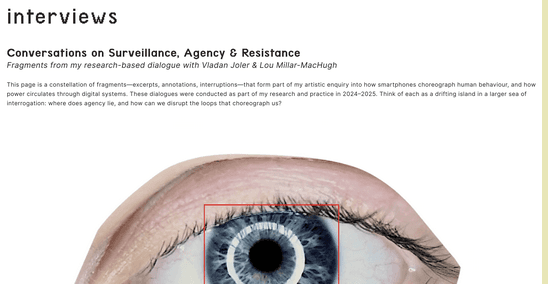
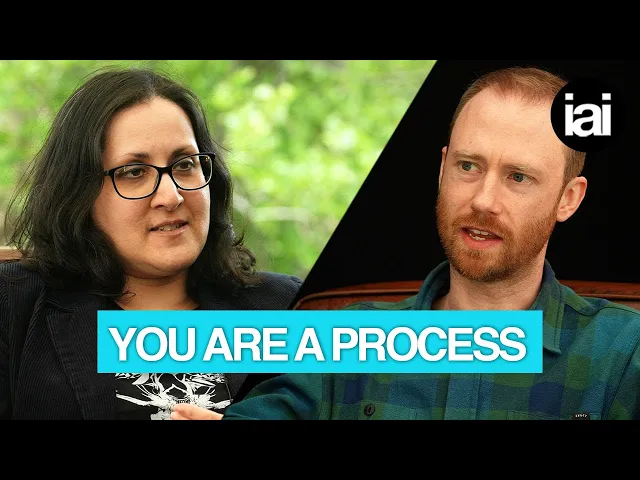
I spoke with artist Irma Besirevic exploring how smartphones choreograph behaviour, persuasive design, digital coercion, and the liberatory potential of tech co-created with communities.
I wrote a blog post for Catalyst about my research into social media literacy. I wanted to create a more accssible, values-aligned blog explaining the role of social media literacy in a more equitable digital future
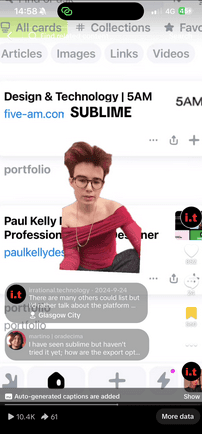
Sublime Collaboration
Sublime Collaboration
Content Collaboration
Through authentic storytelling and hands-on demonstrations, I help ethical tech platforms like Sublime reach conscious users. My approach drove 675+ saves on TikTok by focusing on quality engagement over viral metrics.

I joined Sluggish to talk about the deeper questions we Ihould be asking about social media—why understanding matters more than control, how leftist values can inform tech design, and what ADHD-friendly tools beyond productivity might look like
philosophy
Humans are messy, society is messy. Big Tech takes its power from treating us like programmable inputs — but we are not. Taking back power for ourselves is about working with our irrationality, not against it
Design is not the author of order in a chaotic world; it is a process of navigating, noticing, and caring within persistent disorder. The real work is iterative, unresolved, and saturated by politics that refuse to stay in the background.
RRATIONAL TECHNOLOGY stands for design that accepts the ambiguity inherent in building proper collective infrastructure. Challenging this is an ongoing practice.
Key Methods:
Service Design
Participatory Design
Systems Thinking
Design Thinking
Life-Centered Design
Ground the work in context
Design is not creation of some mythical order, and doing so often puts marginalised communities at real risk.
Listing all the assumptions you and others have made (no matter how obvious they may seem. Challenging them
Understanding that the communities you work with should be allowed to raise and discuss difficult and morally ambiguous issues at every stage of the process.
Focus initially on how things are, not how they should be
Ensure your design process and artefacts nurture the multiplicity of the world rather than flatten it.
Reject solutionism
The contemporary design canon often romanticises "solutionism"—the idea that every problem has a neatly designable fix. This mindset devalues continuity, tradition, and long-developed communal practices, often replacing context-rich solutions with flashy interventions optimised for short-term attention.
Build project timelines that anticipate multiple revisitations of the problem space, rather than a single "solution moment."
Include deliberate knowledge gaps and provocative prompts in documentation, so the work invites continuation.
Spend time after the formal end of a project to re-engage participants and capture what emerges in the gaps between interventions.
Develop metrics for success that value resilience rather than mere novelty or press coverage.
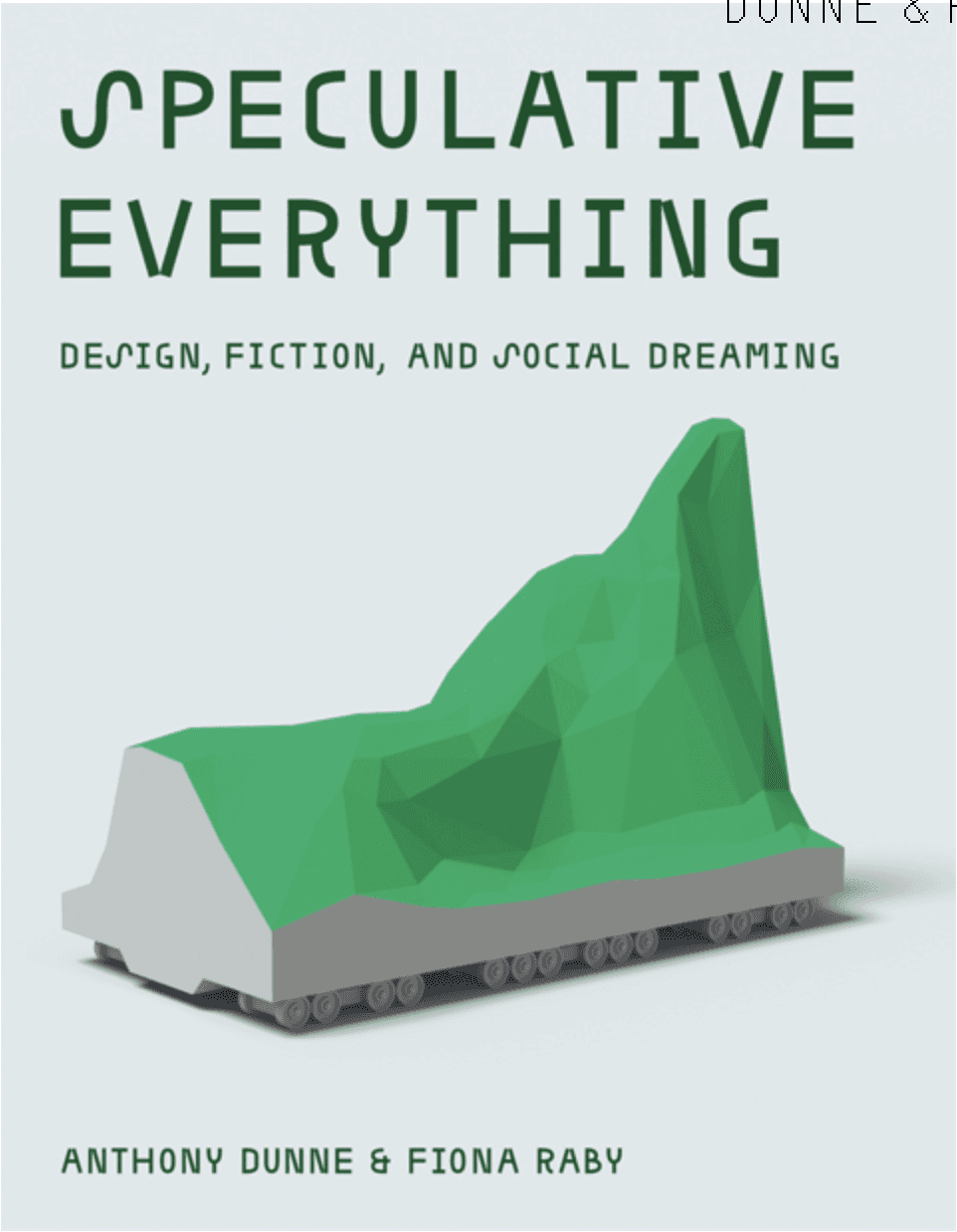
inspiration
inspirations
inspirations

Curious, critical and a little stubborn.
Curious, critical and a little stubborn.
For the past two years, IRRATIONAL TECHNOLOGY has operated as a public-facing research initiative, exploring the hidden logics of the digital world through a popular TikTok channel (9,600+ followers, 106K likes) and in-depth essays on Substack.
This work has helped thousands understand the systems that shape their lives. Now, I am bringing this critical lens and research methodology to communications, helping organisations navigate the algorithmic age with the deep, systems-level insights I'm known for.
get in touch
Book a Free Discovery Call
Curious how Irrational Technology can help you? Send a message using the form below, and I'll be in touch to schedule a free discovery call.
Do you prefer email?
lou@irrational-technology.studio


Copied
get in touch
Book a Free Discovery Call
Curious how Irrational Technology can help you? Send a message using the form below, and I'll be in touch to schedule a free discovery call.
Do you prefer email?
lou@irrational-technology.studio
Copied
get in touch
Book a Free Discovery Call
Curious how Irrational Technology can help you? Send a message using the form below, and I'll be in touch to schedule a free discovery call.
Do you prefer email?
lou@irrational-technology.studio
Copied